


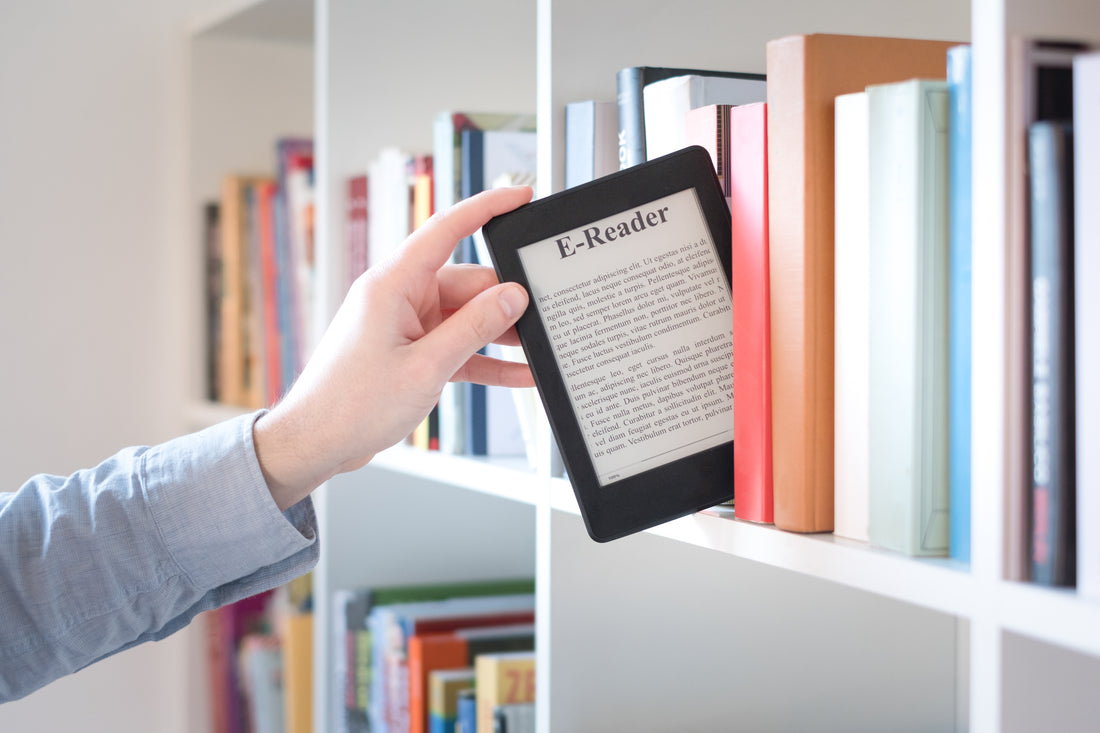
The debate over e-books versus physical books has been raging for years. As technology continues to advance, the way we consume literature is constantly evolving. So, what does the future hold for reading?
Advantages of E-books:
- Portability: E-books are lightweight and easy to carry, making them ideal for travel.
- Accessibility: E-books can be easily accessed on a variety of devices, including smartphones, tablets, and computers.
- Search functionality: E-books often have built-in search functions, making it easy to find specific passages or information.
- Customization: E-books can be adjusted to your preferred font size, line spacing, and brightness.
Advantages of Physical Books:
- Tangible experience: Physical books offer a tangible experience that many readers enjoy.
- Sensory experience: The smell, feel, and sound of a physical book can be comforting.
- Collectible value: Some physical books can be valuable collectibles.
- No need for charging: Physical books don't require charging or batteries.
The Future of Reading:
- Hybrid approach: It's likely that the future of reading will involve a hybrid approach, with readers enjoying both e-books and physical books.
- Augmented reality: Augmented reality could enhance the reading experience by providing additional information or context.
- Personalized recommendations: Technology could be used to provide personalized reading recommendations based on your preferences.
Ultimately, the best way to consume literature is a matter of personal preference. Whether you prefer the convenience of e-books or the tangible experience of physical books, there's a reading format out there for everyone.


